

Bhai Duj is the last and the fifth day of Diwali celebrations. Each of these five days is allocated with a worship or 'puja' of a certain deity. Though each day is observed in a different manner throughout India, the zeal, joy and liveliness of this festival is same. These five days are marked with empowering oneself with the power of light, removing the darkness in life and inspire to do good deeds. The festival preceding Bhai dooj are:
The First day is called Dhanteras or Dhantryaodashi, which falls on the thirteenth day of the month of Ashwin. The word "Dhan" means wealth. God Yama is worshiped on this day to provide prosperity and well being. Believing this day to be auspicious women purchase some gold or silver or at least one or two new utensils. New Dhan or some form of precious metal is bought as a sign of good luck.
Narak Chaturdashi is also known as the Chota Deepawali. Lord Krishna is worshiped as he killed the demon Narkasur on this day. It is believed that the observance of fast on this day paves the way to heaven. It is customary to get up early in the morning, massage the body with a mixture of oil, flour and haldi (tumeric) before the daily bath. In the evening, tarpan, the act of satisfying by offering oblations of water is offered to Yamaraj, the god of death.
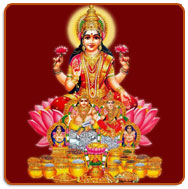
On this day, all Hindu household are lit up with thousand of earthen lamps to welcome Lakshmi, the beautiful consort of Vishnu and the goddess of wealth. This is also marked as the last day of financial year in traditional Hindu business and businessmen. Thus, Chopda Pujan is performed on this day on the new books of accounts.
The Fourth day is called Padwa or VarshaPratipada that marks the coronation of King Vikramaditya and Vikaram-Samvat was started from this Padwa day. On this day, Goverdhan Pooja is performed. This day is also observed as Annakoot and prayers are offered in the temples.


Copyright © 2004- www.bhaidooj.org. All Rights Reserved